Puerto Plata travel planning
Best Time to Visit Puerto Plata: Weather and Tour Planning
Choose travel dates around your priorities, understand north-coast weather and plan flexible beach, boat, river and city days.
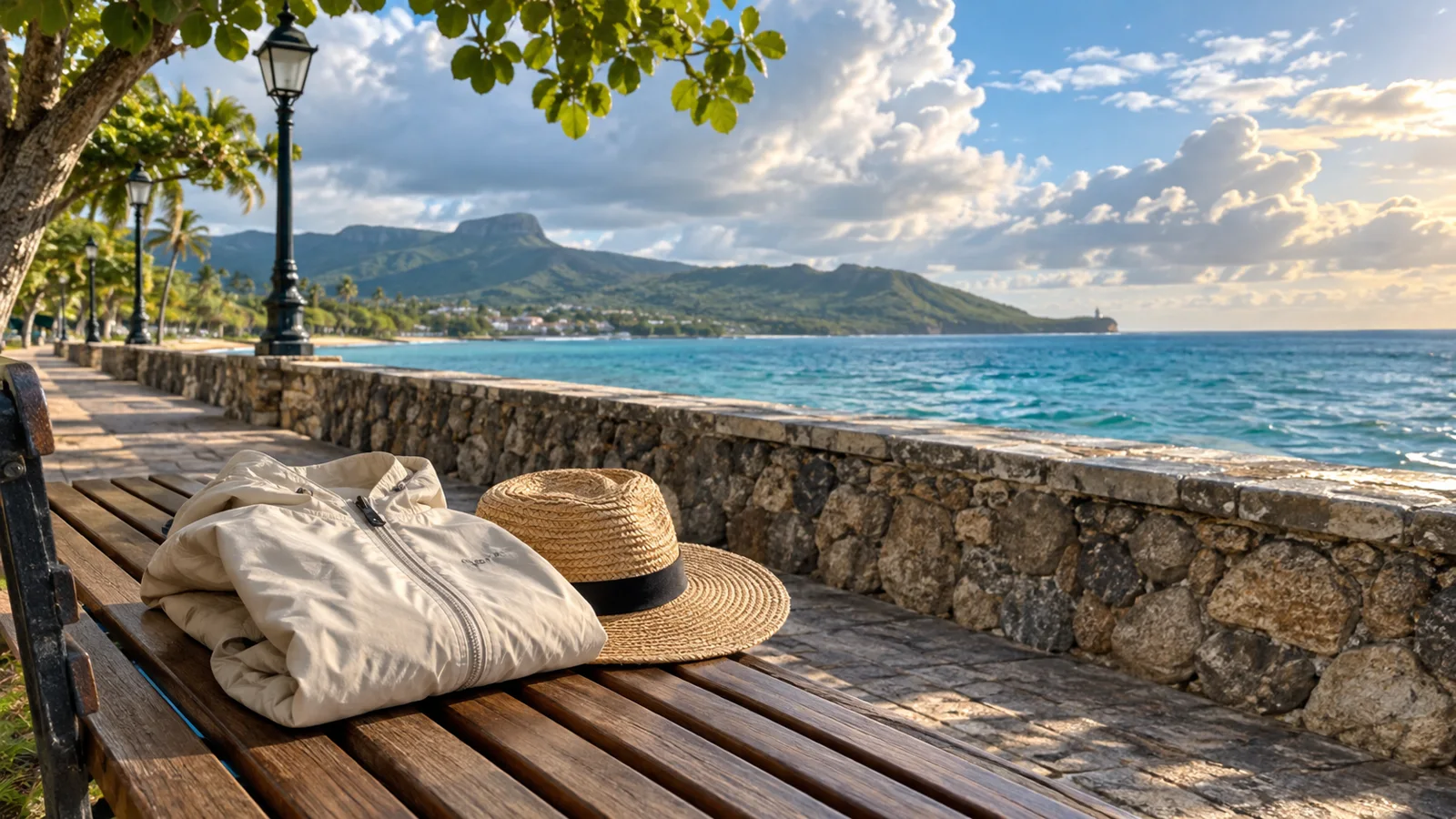
The best time depends on the holiday you want
For walking and historic streets, compare the milder part of the year with your tolerance for heat. For beaches and water activities, keep suitable daily conditions ahead of any monthly label. Puerto Plata is on the Atlantic north coast; a Dominican Republic-wide description is not a forecast for your hotel or departure beach. First decide whether city sightseeing, beach time or an active excursion is your priority, then choose your north-coast base. No month guarantees uninterrupted sunshine or every excursion operating.
A seasonal calendar for Puerto Plata
January–March: local station temperature normals indicate the milder part of the year, useful context for walking plans. April–June: average warmth increases; leave room for shade and breaks. July–September: the warmest part of the station's annual temperature pattern calls for a realistic walking pace. October–December: averages ease again, but do not interpret that as a promise of dry days. Rain remains possible throughout the year. These are historical temperature patterns, not current forecasts; this guide does not publish unverified monthly rainfall totals or rainy-day counts.
Rain and hurricane season are different questions
The Atlantic hurricane season officially runs from June 1 to November 30. That basin-wide calendar does not predict a storm hitting Puerto Plata on your dates, and weather disturbances can occur outside it. An ordinary shower, prolonged rainfall, strong wind and a tropical-cyclone warning require different responses. Before travel, check current official Dominican weather and emergency bulletins and your airline or cruise updates. For a serious warning, follow local instructions rather than trying to preserve an excursion schedule.
Read the forecast for the activity, not just the rain icon
A rain symbol alone does not tell you whether rain will be brief, persistent or accompanied by lightning. Read the forecast period and location, then ask the organiser about the actual departure area. Sunshine at your hotel does not establish safe sea conditions or river access elsewhere. Reconfirm near departure and again on the day when conditions change. Ask who makes the operating decision and how you will be contacted; do not substitute this seasonal article for a current safety assessment.
Boat trips and snorkelling need a sea-condition check
For a Sosúa snorkelling outing, establish the entry point, supervision, flotation equipment and whether the plan uses a boat. For a Cayo Arena road-and-boat day, consider the mainland departure and sea crossing as well as the sandbank. Wind, waves and visibility can affect the experience even without rain. Neither a bay photograph nor a season described as favourable proves suitability. Obtain the proposed alternative and any price difference before payment; a replacement is not automatically included.
Damajagua depends on the river and open circuit
A waterfall excursion is not made suitable simply by wanting to get wet. Ask which circuit is open, how the guide assesses conditions and whether the route fits your group's swimming ability. Rain at the hotel is not a reliable measure of conditions in the river catchment. Follow access restrictions and the organiser's instructions. The Damajagua planning guide explains circuits, equipment and alternatives to jumps; the name “27 Waterfalls” does not establish the number of pools on your departure.
Leave space to change the order of your days
Use the three-day itinerary as a framework, with one main experience per day. If your arrangements allow, retain flexibility to move a sea or river activity rather than filling every day with fixed departures. A historic-city sightseeing route offers a different kind of day, but it is not automatically an indoor or weatherproof substitute. Confirm opening arrangements, exposed walking, slippery surfaces and transport. Agree whether a change means postponement, a different service or cancellation, and which terms apply.
Cruise visitors and hotel guests need different backup plans
Hotel guests may have another day available; a cruise visitor usually has a fixed call. Check the Amber Cove and Taíno Bay comparison: Amber Cove is west of the city in Maimón Bay, while Taíno Bay is by the city waterfront. Confirm your actual terminal, meeting point and all-aboard time. A shorter alternative still needs its own return plan. Pack sun protection, drinking water, shoes suited to the route, a light rain layer and dry storage for valuables. Confirm pickup, replacement services and any refund rather than assuming them.
Weather-planning questions visitors ask
Does a rainy forecast mean the whole day is lost? Not necessarily. Check the timing, expected intensity and any warnings; avoid promising either an all-day washout or a quick shower from a single icon.
Can tours operate in rain? Some itineraries may proceed, while sea, river, road or lightning conditions may require changes. The named organiser must confirm the specific route; this article is not operating clearance.
When should I confirm the weather plan? Ask about change terms before paying, reconfirm close to departure and follow the same-day instructions. Share children's ages, swimming confidence and mobility needs so an alternative is assessed for your group, not just selected because it is available.
Plan around your dates and priorities
Tell us when you are visiting, where you will start and which experience matters most. Request the proposed route and weather-change terms in writing.
Compare Puerto Plata tours