Puerto Plata travel planning
Sosúa’s Jewish Heritage: The Story Behind the Beach Town
Discover Sosúa’s Jewish refugee history, the settlement’s cultural legacy and what to confirm before planning a museum or synagogue visit.
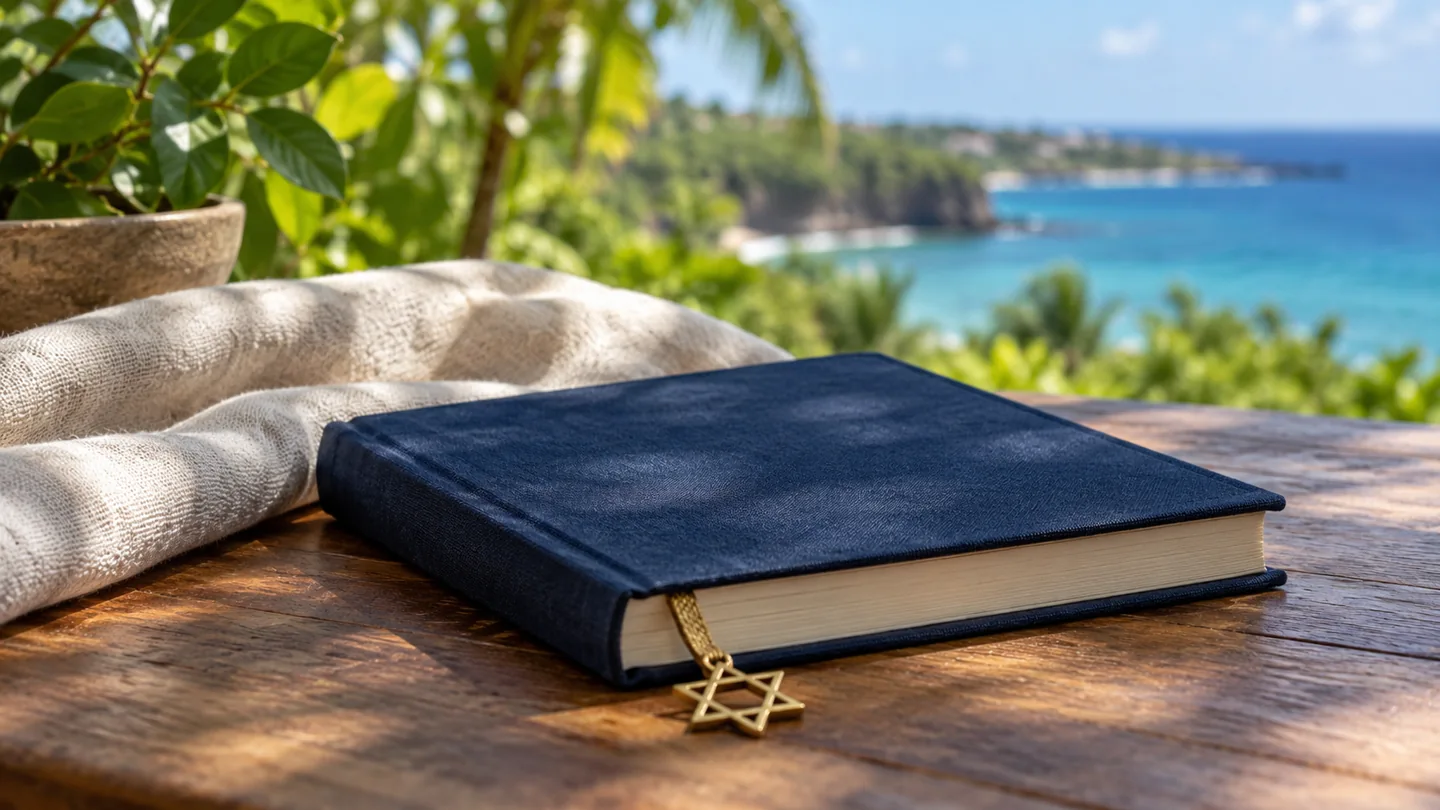
Look beyond the beach-town description
Sosúa, east of Puerto Plata city, has a history that cannot be understood through beach photographs alone. Jewish refugees escaping Nazi persecution helped build an agricultural settlement here from 1940. Their story connects the Dominican north coast with displacement, survival and the work of starting again. The Sosúa destination guide explains the town’s coastal setting; this article adds historical context rather than a confirmed museum itinerary. Sosúa and Puerto Plata city are separate places, so plan the journey as well as the visit.
An offer of refuge and an actual settlement
At the 1938 Évian conference, the Dominican Republic offered to receive refugees while many countries restricted admission. An offer, permission to enter and an actual arrival are different things; do not treat a proposed admission figure as the number who settled. In January 1940, the Dominican Republic Settlement Association, known as DORSA, reached an agreement with the Dominican government for the Sosúa settlement. Refugees began arriving that year. This refuge took shape under Rafael Trujillo’s dictatorship: the opportunity to escape persecution belongs alongside, not in place of, the regime’s authoritarian context.
Building a life on the north coast
The American Jewish Joint Distribution Committee supported the settlement through DORSA. The project involved establishing an agricultural community on land previously used for a banana plantation. Farming and the development of meat and dairy production became important parts of its economic story. That was more than a change of address: people who had fled Europe had to create livelihoods and community in unfamiliar surroundings. The settlement is one strand of Sosúa’s history, not a claim that all present-day residents share the same origins or religion.
How the history is remembered
The museum’s historical purpose is to preserve the refugee community’s experience through material such as photographs, letters and displays. The synagogue is part of that heritage and must not be treated simply as a photo stop. Learning this background adds another reason to consider Sosúa beyond marine activities. If you are choosing a base, the north-coast accommodation comparison helps place cultural interests alongside meals, rest and transport. Do not infer current religious services, community size or visitor access from a historical account.
Museum and synagogue access: what remains unconfirmed
On 16 January 2026, the Dominican Ministry of the Presidency announced an intervention that would include museum exhibition spaces and the synagogue. During editorial review on 25 October 2026, current reopening, public opening hours and interior access could not be verified. This is not a statement that every part is closed; it means entry should not be promised. Confirm the exact place, date, permission, admission arrangements and any restrictions directly before making an interior visit essential. A tourism listing or old review is not confirmation for your day.
Plan a respectful history-focused visit
Ask what historical interpretation is available, in which language, and whether the proposed visit involves an interior, an exterior explanation or another agreed setting. Request permission before photographing people or religious spaces, and follow the community’s instructions. Do not assume a service can be attended as a sightseeing activity. The transport comparison distinguishes travel to Sosúa from getting around once there. Confirm the entrance, walking surfaces and meeting place; transport alone does not establish suitable access or specialist historical guiding.
Combine interests without inventing a package
Decide how much time you want for history before adding the beach, a meal or another town. A private Puerto Plata itinerary enquiry can communicate that interest, but it does not confirm a heritage guide, museum admission or any particular stop. Ask for the actual provider, route and inclusions in writing. Cruise visitors should use the Amber Cove and Taíno Bay comparison: the terminals have different meeting arrangements, and the whole journey must be assessed against all-aboard time. Keep an alternative that does not depend on unconfirmed entry.
Visitor questions
Is the Jewish Museum currently open to visitors? Current reopening and public access were not verified at the review date above. Contact the responsible venue before planning around admission; this article publishes no unconfirmed hours.
Is Sosúa part of Puerto Plata city? Sosúa is a separate town east of Puerto Plata city on the north coast. Use the exact destination and starting address when arranging transport.
Does a private excursion include the museum or a heritage specialist? Only expressly confirmed services are included. Ask about historical guiding, language, named stops, permission and admission separately; an enquiry is not a booking.
Plan a visit around your historical interests
Share your date, starting point and priorities. Request a written route and confirmation of guiding and access; no museum visit or heritage service is established by an enquiry alone.
Compare tours